Xoc Dia is a traditional chance based game built around four two sided pieces that generate different combinations after each shake. Its straightforward structure makes the rules relatively easy to understand, although the random nature of individual outcomes remains important. Players exploring information through keo nha cai 55 should learn how even and odd results are determined before considering historical patterns. Previous rounds can describe what has already happened, but they cannot guarantee the next combination. A disciplined approach therefore focuses on understanding the rules, keeping stakes within a predetermined entertainment budget, and avoiding attempts to recover losses by rapidly increasing the amount committed to later rounds.
Rules, Outcomes, Combinations And Round Structure
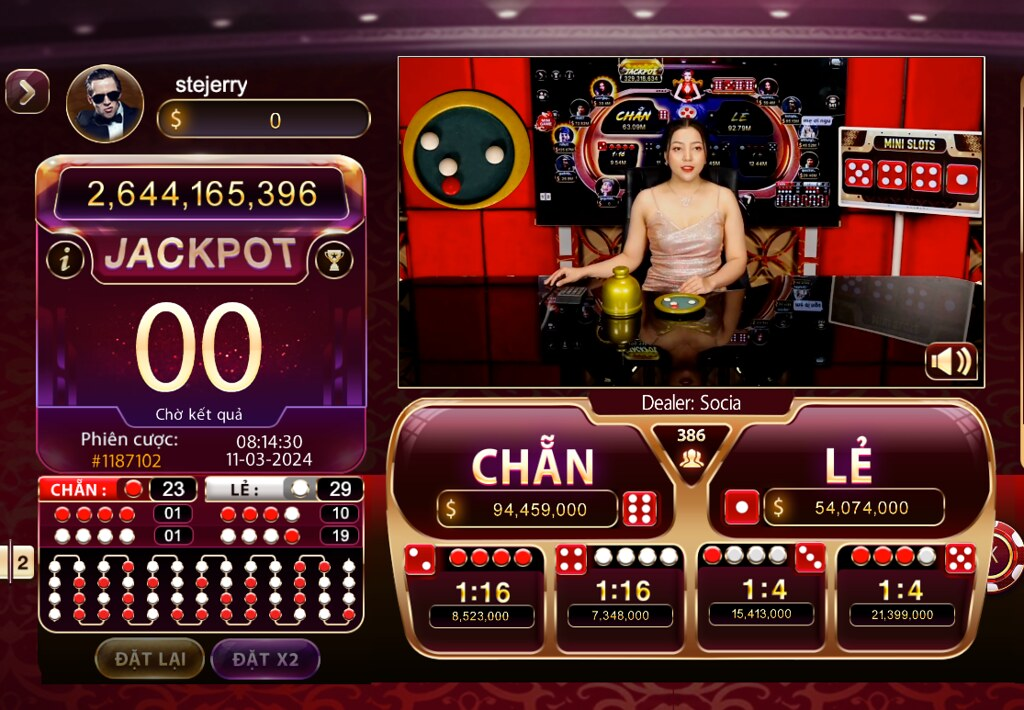
Understanding the mechanics should come before studying any historical pattern. A typical round uses four pieces, each with two distinguishable sides. After they are shaken and revealed, the number of matching sides determines the result category. Specific platforms may present additional options or settlement rules, so users should read the displayed instructions rather than assuming every version operates identically.
Understanding Even And Odd Outcomes
Even and odd are generally determined by counting how many pieces display each side. Results containing zero, two, or four pieces of one side form one category, while one or three form the other. The exact labels and settlement conditions should still be checked at the table. Learning this distinction first makes the history board easier to interpret and prevents users from confusing the visual arrangement of the pieces with the actual category used for settlement.
Recognizing Specific Combinations
Some versions provide choices based on exact combinations rather than only the broad even and odd categories. These may distinguish four matching pieces from a two and two split or other configurations. Different combinations can carry different payout structures because their likelihoods are not identical. A larger displayed return should not be interpreted as an easier opportunity. Players should understand what result is required and how often that type of combination can theoretically occur before selecting any additional option.
Watching A Round Before Participating
New users can observe several rounds to understand the countdown, closing time, reveal process, and history display. This avoids hurried decisions while still learning the interface. It also provides an opportunity to locate the rules and transaction history. There is no requirement to participate in every round. Becoming familiar with the sequence first can reduce operational mistakes, especially in fast sessions where a short countdown may otherwise encourage users to act before they fully understand the available choices.
Pattern Reading, Streaks, Alternation And Randomness

History boards can make sequences visually prominent. Players may see repeated even results, alternating patterns, or irregular clusters and attempt to classify them. This can be useful for organizing past information, but it does not turn random outcomes into reliable forecasts. A pattern is descriptive until there is independent evidence that it has predictive value, so users should avoid treating a visually attractive sequence as a guaranteed signal.
Identifying A Repeating Streak
A streak occurs when the same broad result appears repeatedly. Because the sequence looks orderly, users may assume it is likely to continue. Others make the opposite assumption and expect an immediate reversal. Neither conclusion is guaranteed simply because several similar rounds have occurred. When viewing historical sequences through keo nha cai 5, the most useful interpretation is that the board records previous outcomes rather than promising how the next shake will develop.
Understanding Alternating Sequences
An alternating sequence appears when the broad outcome changes from one side to another across several rounds. Such a pattern can look particularly predictable because the next visual position seems obvious. Nevertheless, a single repeated result immediately breaks the structure. Players should therefore avoid increasing stakes merely because an alternating sequence has remained intact for several rounds. Its historical neatness does not remove the uncertainty attached to the next independent result.
Avoiding Forced Pattern Recognition
Irregular sessions can tempt users to invent increasingly complicated patterns. Human perception naturally searches for structure, even in random sequences. When a history board becomes noisy, taking no action can be more disciplined than forcing every group of results into a named pattern. A player does not need to make a selection in each round. Waiting can also provide time to review the budget and determine whether continuing the session still fits the original plan.
Bankroll Control, Time Limits, Discipline And Common Mistakes

Randomness cannot be controlled through stake progression, but spending and session duration can. These factors should be planned before play begins. A fixed entertainment budget, predetermined unit size, and clear stopping point can prevent short term outcomes from dictating later decisions. This does not create a mathematical advantage, but it can reduce the financial impact of emotional responses to winning or losing streaks.
Separate Entertainment Money
Money used for chance based entertainment should remain separate from rent, bills, savings, debt payments, and other essential expenses. Players can divide a predetermined entertainment amount into smaller sessions rather than exposing the entire budget at once. Once a session allocation is exhausted, ending the session preserves the original limit. Adding money repeatedly after losses undermines the purpose of having a budget and can turn a short recreational activity into a much larger financial commitment.
Avoid Chasing Losses
Increasing stakes after a loss does not make the next outcome more favorable. A progression system can instead cause exposure to rise quickly when several unfavorable rounds occur consecutively. The next shake is not obligated to compensate for previous results. Maintaining a modest fixed unit or stopping at the predetermined loss limit provides clearer control. Decisions made specifically to recover money already lost are particularly vulnerable to emotional rather than analytical reasoning.
Conclusion
Xoc Dia has straightforward rules, but its individual outcomes remain uncertain. Historical streaks and alternating sequences can organize past results without guaranteeing what will happen next. Players should understand the settlement rules, avoid forced pattern recognition, and establish financial and time limits before participating.